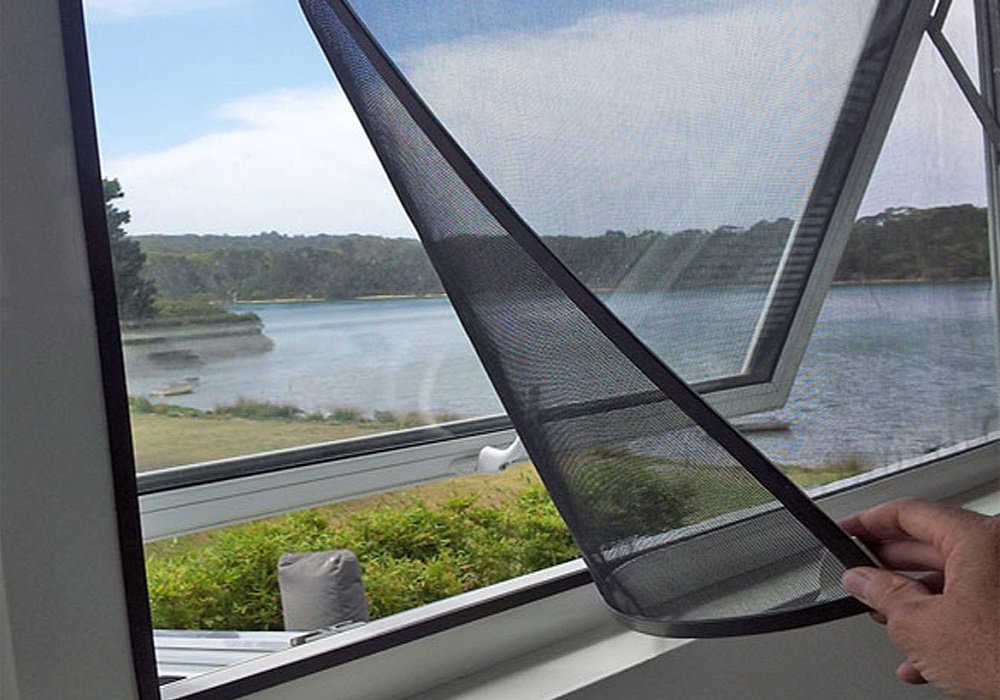
1. Window Insect Screens and Their Importance
Window insect screens are practical home accessories designed to keep unwanted insects outside while allowing fresh air and natural light to enter indoor spaces. They are commonly installed on residential windows, apartment windows, office buildings, kitchens, bedrooms, and other areas where ventilation is important. Made from materials such as fiberglass, aluminum, polyester, or stainless steel, these screens create a protective barrier against mosquitoes, flies, moths, and other small insects. Their simple design makes them an effective addition to homes in both urban and rural environments, particularly in regions where warm weather encourages people to open their windows throughout the day.
One of the primary reasons homeowners invest in window insect screens is to improve indoor comfort without relying entirely on air conditioning. Opening windows allows fresh air to circulate throughout a property, helping reduce stuffiness and creating a more pleasant living environment. However, open windows can also provide an easy entry point for insects, especially during the evening when mosquitoes and other pests become more active. Window screens help address this problem by allowing ventilation while limiting access for common flying insects. This makes them particularly useful for households that prefer natural airflow or want to enjoy cooler outdoor breezes without constantly worrying about pests entering their rooms.
Window insect screens also contribute to a cleaner indoor environment. Flies can land on food preparation surfaces, dining tables, and household items, while mosquitoes can make bedrooms uncomfortable during sleeping hours. Installing appropriate screens helps reduce these disturbances and supports a more hygienic living space. Although screens cannot prevent every type of insect from entering a building, especially when doors are left open or gaps remain around window frames, they provide an important first line of defense. Their effectiveness depends on the mesh size, installation quality, condition of the frame, and suitability of the product for the insects commonly found in the surrounding area.
Another important advantage is their versatility. Window insect screens are available in different sizes, colors, materials, and operating styles to suit a wide range of architectural designs. Some models are fixed permanently to window frames, while others can be removed for cleaning or folded away when not needed. Retractable screens offer additional flexibility because they can be rolled aside when homeowners want an unobstructed view. Whether a property has traditional wooden windows, modern aluminum frames, or contemporary uPVC installations, a suitable screen solution can often be found. By combining functionality with a relatively simple installation process, window insect screens have become a valuable feature for households seeking practical ways to improve everyday comfort.
2. Different Types of Window Insect Screens for Every Property
Choosing the right window insect screen begins with understanding the different types available. Fixed insect screens are among the most straightforward options because they remain attached to the window frame and provide continuous protection. They are often suitable for windows that are opened regularly and do not require frequent access from the outside. Fixed screens generally have a simple frame containing tightly woven mesh, making them easy to maintain and suitable for many residential properties. Their durability depends on the quality of the materials, the strength of the frame, and how well the screen is secured against wind and everyday use. For homeowners looking for a dependable and economical solution, fixed screens can be an excellent starting point.
Retractable Insektenschutz Fenster offer a more flexible alternative. These systems usually contain mesh that rolls into a compact housing when the screen is not required. Homeowners can extend the screen when opening the window and retract it when they want a clear view or easier access. This design can be particularly useful in living rooms, modern kitchens, and spaces where appearance is an important consideration. Retractable screens may cost more than basic fixed models because they include additional mechanisms, but their convenience and discreet appearance can make them worthwhile for certain properties. Regular maintenance of the roller mechanism and careful operation can help extend their service life.
Magnetic insect screens provide another option, particularly for homeowners seeking a removable solution. Depending on the design, magnets may hold the mesh against a compatible frame or help secure a screen panel in place. Some magnetic products are designed primarily for doors, while others are suitable for windows with appropriate dimensions and surfaces. Their main advantage is ease of installation and removal, which can be helpful for renters or people who do not want to make permanent changes to their property. However, magnetic screens may not provide the same level of rigidity as professionally fitted framed systems, so accurate measurements and secure attachment are important when selecting a product.
The mesh material also plays an important role in determining screen performance. Fiberglass mesh is popular because it is flexible, relatively affordable, and resistant to rust. Aluminum mesh offers a firmer structure and can be appropriate for situations where additional rigidity is desired, although it may dent or bend under pressure. Stainless steel mesh can provide greater strength in demanding applications, but it is generally more expensive. Polyester and other synthetic meshes may offer useful flexibility and specialized features depending on their construction. Some screens are designed with finer mesh to limit the entry of smaller insects, but finer material can also reduce airflow or visibility. Homeowners should therefore balance insect protection, ventilation, durability, maintenance requirements, and budget when choosing the most appropriate product.
3. Key Benefits of Installing Window Insect Screens at Home
One of the biggest benefits of window insect screens is the ability to enjoy fresh air with fewer unwanted visitors. Natural ventilation can help remove stale indoor air, reduce lingering cooking odors, and improve comfort when outdoor conditions are pleasant. By creating a physical barrier against many flying insects, screens make it easier to keep windows open without exposing indoor spaces to the same level of pest intrusion. This is particularly useful in kitchens, bathrooms, bedrooms, and living areas where ventilation is often needed throughout the day. Nevertheless, the amount of airflow a screen allows depends on its mesh density, open area, and the design of the window itself.
Mosquito protection is another major reason people install these products. Mosquitoes can interrupt sleep, create irritating bites, and make outdoor air entering the home less enjoyable. A properly fitted screen helps reduce the likelihood of mosquitoes entering through an open window. This is especially valuable during warmer months or in areas where mosquitoes are common. For effective protection, homeowners should inspect the entire installation rather than focusing only on the mesh. Even a small tear, an unsecured corner, or a gap between the screen and the window frame can provide an entry point. Screens should be combined with other appropriate mosquito-control measures when necessary, particularly in locations where mosquito-borne diseases are a concern.
Window insect screens can also help limit the entry of larger airborne debris, depending on the mesh design. Leaves, some types of loose plant material, and larger insects may be prevented from passing through the mesh. However, ordinary insect screens are not designed to eliminate fine dust, smoke, pollen, or microscopic airborne particles. People who need protection from allergens or outdoor air pollution should not treat standard insect mesh as an air filtration system. Instead, they should consider suitable air filtration products and follow local advice about ventilation during periods of poor air quality. Understanding these limitations helps homeowners choose screens based on realistic expectations.
Another advantage is the potential to reduce dependence on mechanical cooling during suitable weather. When outdoor temperatures are comfortable, opening screened windows may allow homeowners to take advantage of natural breezes instead of immediately switching on fans or air conditioning. The actual energy savings depend on climate, indoor temperatures, building design, humidity, and household habits. Screens do not replace insulation or cooling equipment, but they can support a ventilation strategy that makes practical use of outdoor conditions. They may also improve the enjoyment of balconies, garden-facing rooms, and windows overlooking pleasant outdoor spaces by allowing residents to experience fresh air with fewer insect disturbances. When carefully selected and maintained, window insect screens offer a combination of comfort, convenience, and everyday practicality.
4. How to Choose the Best Window Insect Screens for Your Needs
Selecting the best window insect screens requires more than choosing a product based on appearance or price. The first step is to measure the window accurately. Measurements should account for the available mounting surface, frame shape, opening mechanism, and any handles or other fittings that could interfere with installation. Different screen systems require different measurements, so homeowners should follow the manufacturer’s instructions rather than assuming that all products use the same sizing method. A screen that is too small may leave gaps around the edges, while an oversized product may not fit securely or operate correctly. Accurate measurements help reduce installation problems and ensure that the mesh covers the intended opening.
The next consideration is the environment in which the screens will be used. Homes near gardens, trees, ponds, or other areas with abundant insects may benefit from screens that provide reliable coverage and resist frequent handling. Properties exposed to strong sunlight may require materials designed to withstand ultraviolet exposure, while coastal locations may benefit from corrosion-resistant frames and fittings. Households with pets or young children may prefer stronger mesh or more robust frames, although ordinary insect screens should never be treated as safety barriers or as protection against falls. For windows on upper floors, any screen installation must remain compatible with the window’s safety requirements and should not obstruct emergency escape routes.
Airflow and visibility should also influence the decision. Standard mesh is designed to balance insect exclusion with ventilation, but the exact balance varies between products. A finer mesh may be useful where very small insects are a concern, yet it may restrict airflow more than a more open weave. Similarly, darker mesh can sometimes provide a clearer outward view than lighter mesh because it creates less visual contrast with the surroundings, although the result depends on lighting conditions and material quality. Before purchasing screens for an entire property, homeowners may find it helpful to compare samples or review product specifications to understand how the mesh looks and feels in actual use.
Budget is another important factor, but the lowest initial price is not always the most economical choice. Basic removable screens can be suitable for straightforward installations, while custom-fitted systems may be better for unusually shaped windows or properties requiring a precise finish. Consider the cost of the mesh, frame, mounting hardware, installation, and future replacement. Ask suppliers about warranty coverage, available spare parts, cleaning instructions, and the expected performance of the materials under local weather conditions. Professional installation may be worthwhile when windows are difficult to access, dimensions are unusual, or a retractable mechanism requires careful adjustment. By comparing these practical details, homeowners can select window insect screens that meet their needs without paying for features they are unlikely to use.
5. Maintenance Tips for Long Lasting Window Insect Screens
Regular maintenance helps window insect screens remain effective, attractive, and easy to use. Dust, cobwebs, pollen, and other debris can gradually collect on the mesh, especially when windows face roads, gardens, or busy outdoor areas. Cleaning the screens periodically helps maintain their appearance and allows air to pass through the mesh more freely. For routine cleaning, a soft brush or vacuum cleaner with a gentle brush attachment can remove loose dust. If additional cleaning is needed, use a soft cloth or sponge with mild soapy water, following the manufacturer’s care instructions. Avoid harsh chemicals, abrasive pads, and excessive pressure, as these can damage delicate mesh or protective coatings.
Inspecting screens regularly is equally important. Look for small holes, loose edges, bent frames, damaged clips, and gaps around the window opening. Small defects can reduce insect protection even when most of the screen remains in good condition. Some minor mesh tears may be repairable with suitable patch kits, while larger areas of damage may require replacement. If the frame has become warped or the mounting hardware no longer holds the screen securely, repairing the frame or installing a new screen may be the better option. Addressing damage early can prevent a minor maintenance issue from becoming a more expensive replacement problem.
Different screen types require slightly different care. Fixed screens should be checked to ensure that their mounting points remain secure, particularly after storms or strong winds. Retractable screens should be operated gently and kept free from debris that could interfere with the rolling mechanism. If the mesh begins to jam or retract unevenly, consult the manufacturer’s guidance rather than forcing the system. Magnetic screens should be checked for secure attachment and clean contact surfaces so that the magnets continue to hold properly. Seasonal cleaning can also be helpful in areas where insect activity changes significantly throughout the year, allowing homeowners to inspect the screens before periods of heavy use.
When properly selected and maintained, window insect screens can provide years of useful service, although their lifespan varies according to material quality, weather exposure, installation, and frequency of use. Replacing worn mesh, tightening loose fittings, and cleaning the frames can help preserve both performance and appearance. Homeowners should also remember that screens work best as part of a broader approach to household pest prevention. Keeping doors closed when appropriate, repairing gaps around windows, removing standing water where mosquitoes breed, and maintaining clean indoor spaces can complement the protection provided by mesh screens. Ultimately, window insect screens are a simple yet valuable investment for people who want to enjoy fresh air, maintain comfortable living spaces, and reduce the number of insects entering their homes. With the right design, accurate fitting, and consistent care, they can become a practical long-term addition to almost any property.
Leave a Reply